
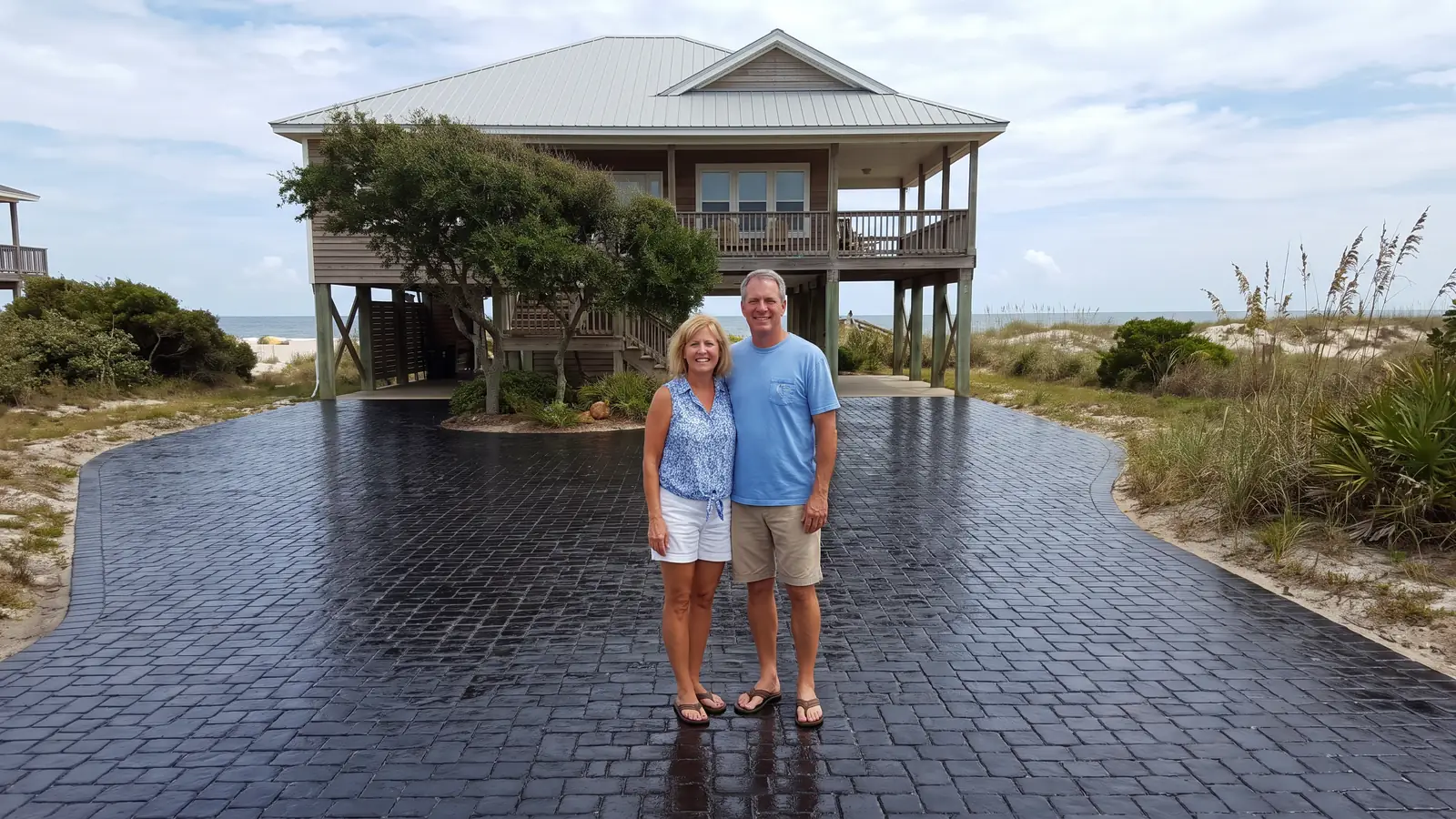
Paver sealing for Jacksonville Beach homes
Paver Sealing in Jacksonville Beach, FL
Jacksonville Beach pavers fight salt, sand and daily humidity, so call (904) 468-6386 for a free sealing estimate.
- Brings out deeper paver color
- Fresh joint sand helps lock pavers in place
- Gives weeds less room to grow
- Makes the surface easier to keep clean
- Free estimate, no obligation
Request a Free Estimate
Free, no obligation.
Fast, careful paver sealing in Jacksonville Beach
Paver sealing is available in Jacksonville Beach, from the beach grid to the streets off Penman Road. A local contractor cleans the surface, refills the joints and seals driveways, pool decks and patios, with a free estimate. Phone (904) 468-6386, and a beach-side homeowner gets an answer within 1 business day, usually much sooner.
Picture a driveway gone chalky, with beach sand packed in the joints and a pale film left by salt air. Wash it, refill the joints and seal it, and the pavers look like one color again. The work happens on your schedule. You can send in the short estimate form and describe how the driveway looks.
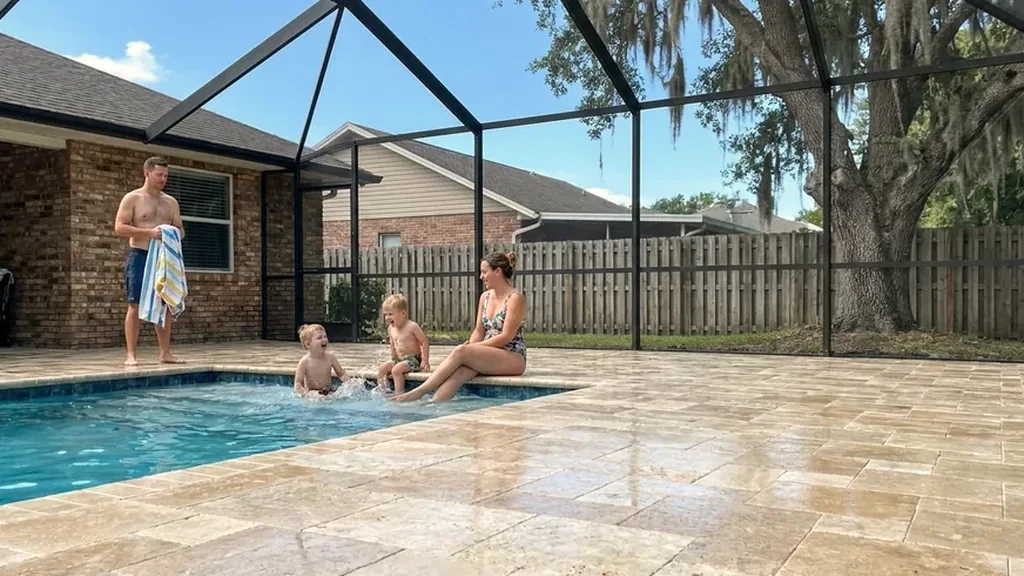
Why hire a local paver sealing contractor in Jacksonville Beach?
Beach-side homeowners lean on a local paver contractor because salt, sand and steady humidity change how the work should go. Ask how that fits your street when you send in the short estimate form.
Free first look
A contractor inspects your Jacksonville Beach pavers at no charge and quotes a price before anyone commits.
Posted rates
Regional companies post $1.75 to $3.25 per square foot to clean, sand and seal. Check any bid against that span.
Choose the finish
Matte keeps sandy footprints from showing. Gloss deepens color but shows every scuff.
Nothing to sign yet
You pick the date and the finish. A free estimate leaves every decision in your hands.
Get Your Free Estimate in Jacksonville Beach
Tell us about your pavers in Jacksonville Beach.
Free, no obligation
What paver problems show up most in Jacksonville Beach?
Salt that dries into a film
UF/IFAS tells coastal gardeners that salt-spray damage is a familiar sight within a couple of miles of salt water. A paver maker adds that salt rides the air as tiny particles and crystallizes as moisture dries. Pale pavers show that residue and splash marks first. Sealer should go over a clean surface, which means the film gets washed off before anything else happens. Rinsing now and then keeps the buildup from stacking up between coats. Rinsing now and then keeps that film from stacking up between coats. Hanna Park's 447 acres of coastal hammock sit just to the north, a reminder of how close the coast is for every address here.
Beach sand in thin joints
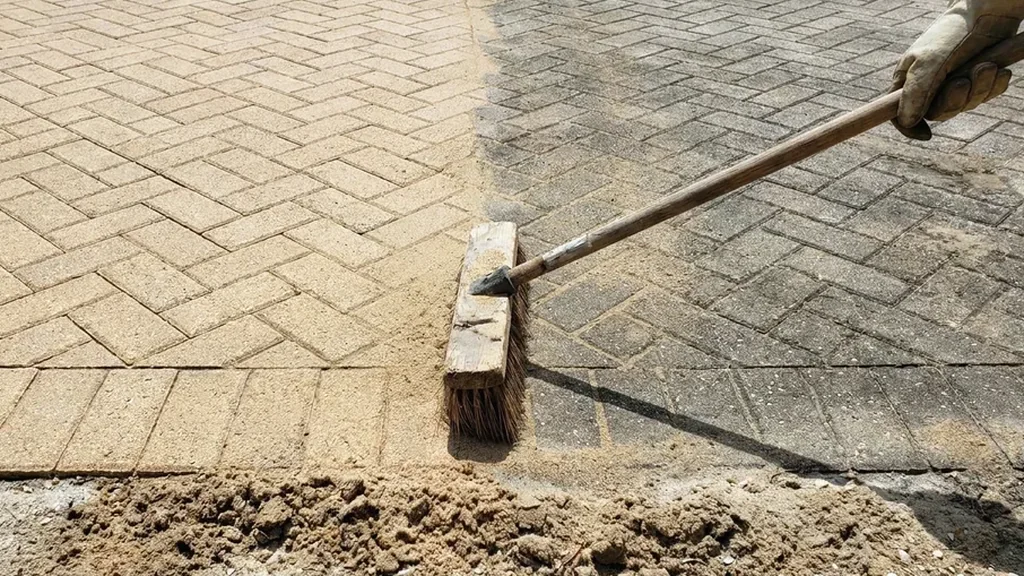
A paver company in nearby Atlantic Beach says fine beach sand blows in while the original joint sand washes out. Joints end up loose, and pavers can start to rock as the edges spread. Jacksonville Beach sits on a barrier island, so sand is part of the setting. That is why new joint sand is its own step in the job, done before the sealer goes on. Lost joint sand lets soil in and gives weeds a place to start, so full joints matter. Lost joint sand also lets soil in and gives weeds a place to start, so full joints matter.
Showers that spoil a dry day
A local meteorologist says a nearly daily sea breeze helps drive the wet season, which averages 28.81 inches from June through September. That is more than half of the year's rain in Northeast Florida. Sealer needs a dry surface, which means a beach job may slide a day when a shower pops up. A good contractor plans for that from the start. The driest months run from November to April, so jobs are easier to schedule then. The driest months run from November to April, so many jobs get easier to schedule then.
Coats from different decades
San Pablo Terrace homes were built between 1955 and 2005, and Ocean Terrace dates to the early 1980s. Pavers around houses that old have often changed hands more than once, and few owners remember what was sprayed on them. What lies underneath sets the rules, since a water-based layer cannot be added over a solvent-based one. The surface tells much of the story, so the contractor looks before choosing a product.
Soft ground under the pavers
Two thirds of the city's area is water, and the Intracoastal runs along the island's west side. Atlantic Beach, next door, has loose sandy soil that shifts when water runs under pavers. Sunken spots form where that happens, often near downspouts and the street apron. Sealer keeps whatever shape the surface is in, so dips get repaired first. Where the base is the problem, the fix comes before any cleaning or coating. Where the base is the trouble, the repair comes before any washing or coating.
Does a 1960s beach house need different paver care than a 1980s one?
Yes, because age changes what is on the ground. San Pablo Terrace homes off Penman Road were built between 1955 and 2005, with a median year of 1963, so pavers there often come from several owners. Ocean Terrace dates to the early 1980s and has larger homes of 3 to 6 bedrooms. Mention your neighborhood when you send in the short estimate form, and the contractor can plan from there.
Near South Beach Park, Ocean Terrace has a confirmed HOA. A Jacksonville paver page says a color-enhancing or high-gloss finish is more likely to need approval than a natural-look coat. Rules differ from one association to the next. If your street has one, call (904) 468-6386 and read the rules before you pick a finish.
Closer to the water the housing mixes more. The Mission-style Casa Marina Hotel dates to 1925, and the city has a notable set of mid-century modern homes by architect William Morgan. Pavers beside old stucco or painted trim call for rinse water kept off the walls. To plan around a house like that, send in the short estimate form and mention what yours is made of.
What does paver sealing cost in Jacksonville Beach?
Regional companies commonly post $1.75 to $3.25 per square foot to clean, sand and seal. A Jacksonville Beach quote lands inside that band based on salt film, lost sand and any old coat. The driveway, walkway and pool deck are measured together, so a bigger layout adds up. For a number for your pavers, send in the short estimate form.
Access moves the price too. A wide driveway on a quiet street is quick to work, while a narrow lot with a back patio takes more carrying and longer hose runs. Failed old sealer that must come off first means more labor. Call (904) 468-6386 and describe the layout, and the contractor can say which factors apply and give you a free estimate to compare.
| Paved area | Typical example | Clean, sand and seal |
|---|---|---|
| 300 sq ft | Small patio or walkway | $525 to $975 |
| 600 sq ft | Two car driveway | $1,050 to $1,950 |
| 1,000 sq ft | Large driveway or pool deck | $1,750 to $3,250 |
| 1,500 sq ft | Driveway plus pool deck | $2,625 to $4,875 |
Math based on the $1.75 to $3.25 per square foot that Northeast Florida paver companies publish. Your contractor sets the actual price after seeing the surface. Repairs, leveling and stripping failed sealer are usually extra.
How does a paver sealing job work in Jacksonville Beach?
Walk the driveway and read the old coat
Before anything gets wet, the contractor walks the lot and looks for dips near downspouts, rocking pavers and sealer already down. A solvent-based coat rules out a water-based one on top, so the product matters. Raised or sunken spots get fixed first, since sealer holds a dip in place. The plan and the price are explained before the first drop of water is used. Use the walk-through to ask about finish and timing.
Rinse off the salt and grime
The wash takes off the pale salt film, green growth in damp corners and road dirt from the walkway. Water stays away from old stucco and painted trim at the house. One paver maker says routine rinsing manages coastal buildup, so a clean base comes before any coat. Settings stay low so the sand that remains is not blown out.
Refill the joints with new sand
Cleaning takes joint sand with it, and blowing beach sand and rain leave joints thin anyway. The contractor sweeps new sand in until the joints are full, which locks the pavers together and gives weeds nowhere to settle. Loose grains are swept off before the surface moves on to the next step. A stiff broom works sand down into the slimmest joints.
Give the pavers time to dry
A sea breeze shower can pop up on a summer afternoon, and sealer needs a dry surface. Damp coastal air also slows drying in shaded corners. The contractor checks the stone and moves the day if it is still wet, because a coat laid on damp pavers can turn cloudy. A few extra hours of drying cost less than redoing a clouded coat.
Lay down the coat and set stay-off times
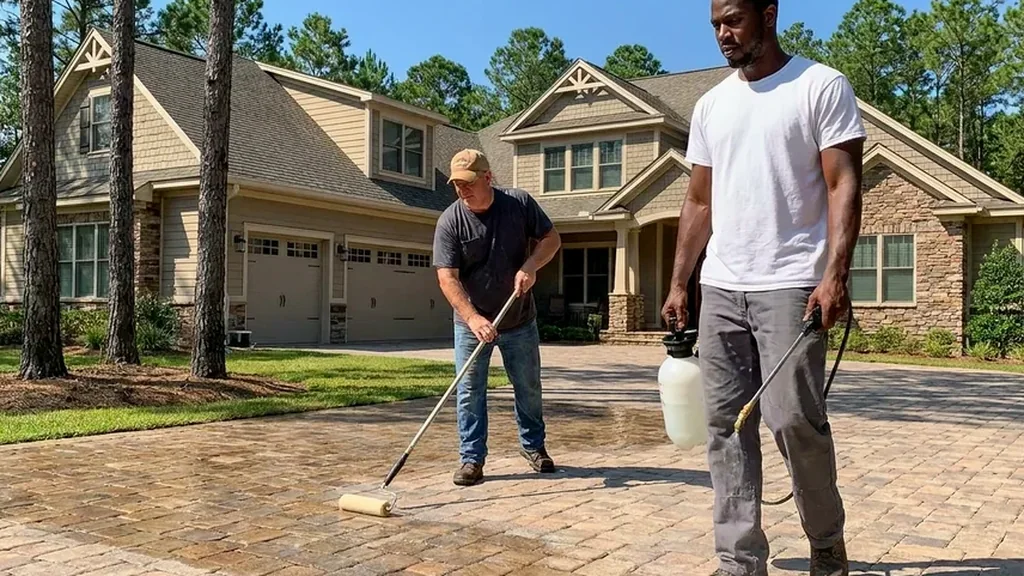
Pros typically spray, then back-roll for even coverage and to work sealer into the joints. Shoes are fine on it after a few hours, and the car goes back on the drive the next day. You get exact times for your product, and sprinklers aimed at the surface stay off until it has set. Pets and children should stay off the wet coat as well.
Complete paver services in Jacksonville Beach
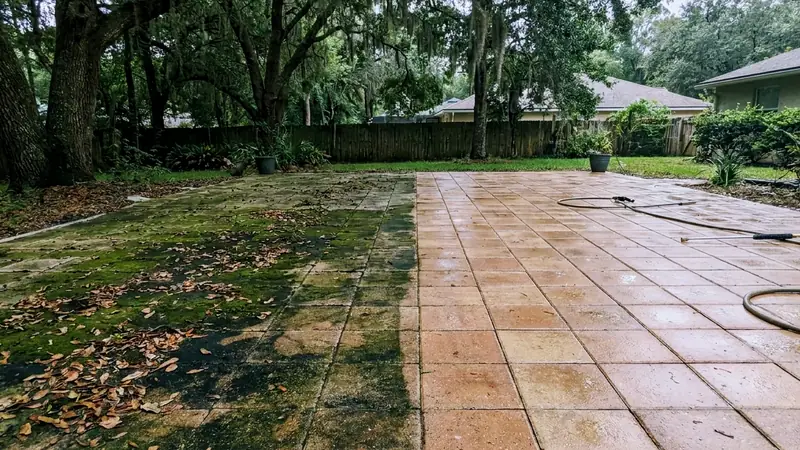
A beach job moves in four steps. The wash lifts salt film and grime, fresh sand goes into the joints, the surface dries, and sealer goes on last. That order keeps salt and dirt from getting sealed in, which is the main reason a coat fails early. To ask how long each step takes on your lot, call (904) 468-6386.
Driveways take tires and street grit. Pool decks and patios take bare feet and splashing, so grip matters more there, and some contractors offer sealer with added grip. Walkways beside the house stay damp the longest and tend to need more washing. Tell the contractor which surfaces you have when you send in the short estimate form.
Sealer comes water-based or solvent-based, and the old coat decides which one can go on. Matte leaves a natural look, while a wet look deepens color but shows scuffs sooner. Pale pavers show salt marks quickly, so ask about a blended tone. Call (904) 468-6386 to talk it through.
Most of Jacksonville's rain arrives between May and September, and sea breeze showers are a regular part of that. Sealer needs a dry surface, so a good contractor watches the forecast and keeps a spare day open. The driest months run from November to April. To pick a date, send in the short estimate form.
Questions to ask before you hire
- If a patch peels or turns cloudy later, who do I call, and what happens next?
- How do you protect my palms, shrubs and flower beds from the wash water and sealer?
- Will someone walk the finished job with me before I pay?
- Will you point out any pavers that have sunk or shifted before you start?
- Do you rinse the salt off before the sealer goes on, or only wash the surface?
- What do I move off the driveway, and when can the car go back on it?
- Will you tell me the square footage you measured and what each square foot costs?
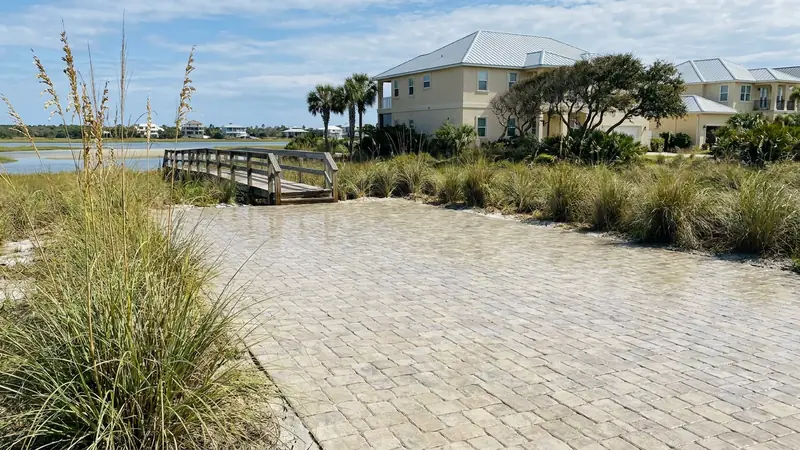
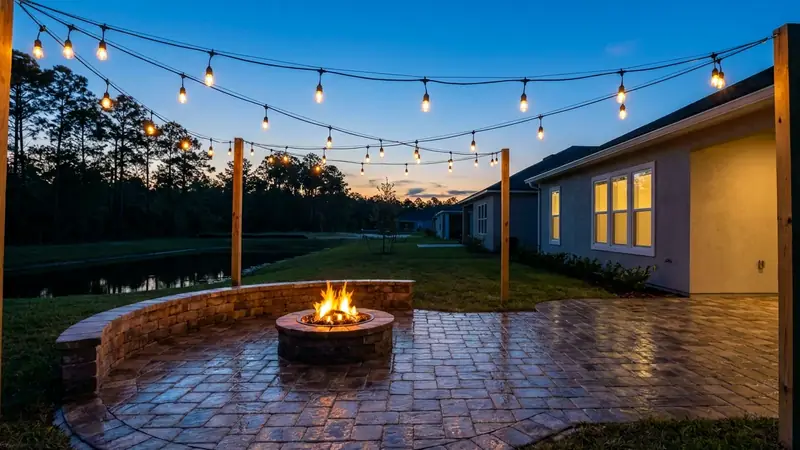
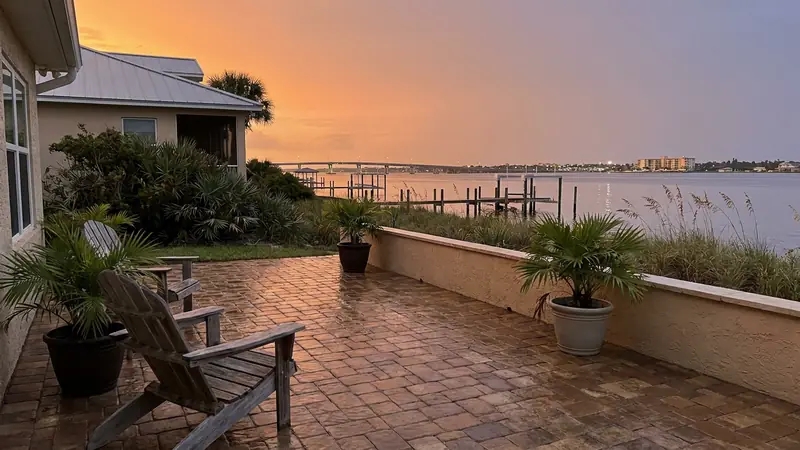
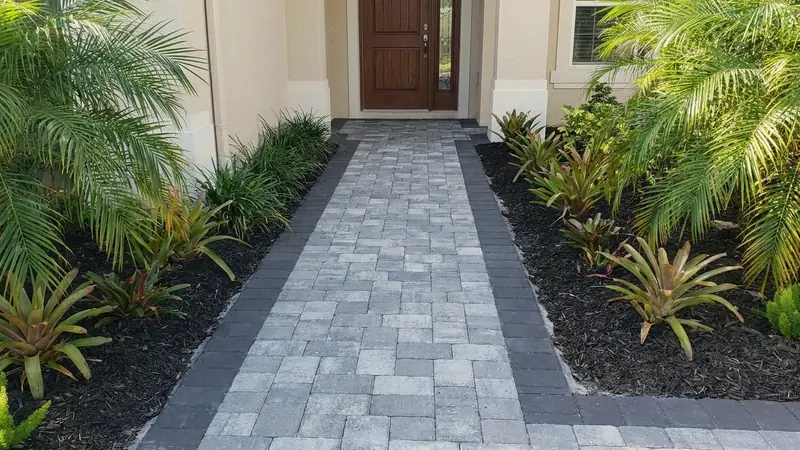
What do sealed pavers look like around Jacksonville Beach?
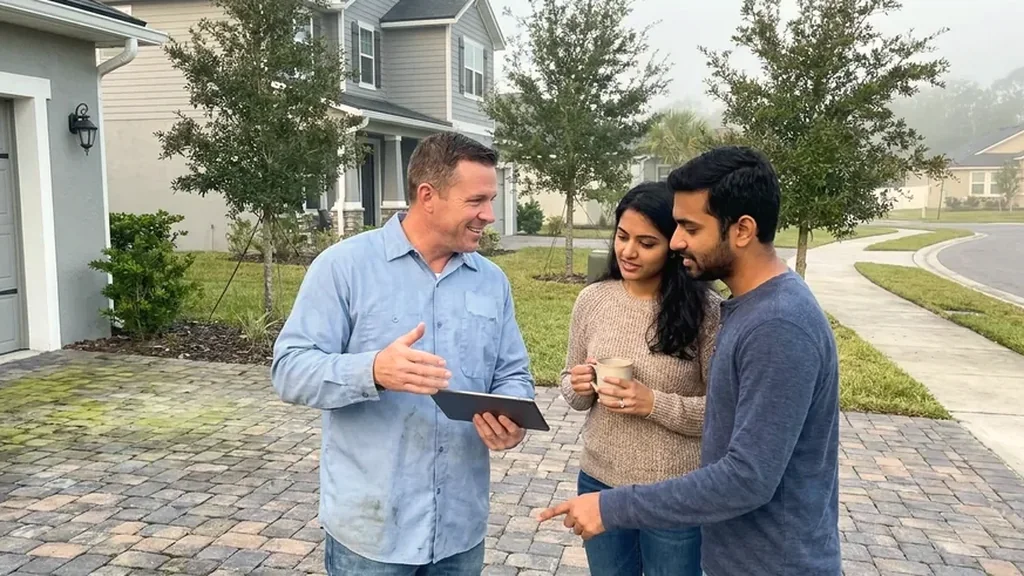
Why local matters in Jacksonville Beach
A contractor who works the beaches expects salt and sand to come with the address. That shapes how much washing a Jacksonville Beach driveway needs and how thin the joints are likely to be. Someone who works only inland may not think to look for it, and the first coat suffers for it. To reach a contractor who knows this island, call (904) 468-6386.
Local knowledge helps with timing too. Summer showers arrive on the sea breeze, and a shaded patio on the water side can stay damp long after a sunny driveway has dried. A local contractor plans a spare day for that and does not push sealer onto wet stone. To see how a forecast would shape your date, send in the short estimate form.
Housing here runs from 1920s resort-era buildings to 1980s subdivisions, so no two lots start in the same condition. A contractor who knows the area asks what year the house went up and who laid the pavers. That one question saves surprises later, since old coats and thin joints show up in older blocks. If you would like that kind of plan, send in the short estimate form and name your street.
Which Jacksonville Beach landmarks help a contractor find my street?
Start with the Beaches Museum history park, which holds the area's first post office, a 1911 train engine and an 1886 chapel. The railroad that once ran to the beach began in 1883, and its story explains the long road from Jacksonville. Casa Marina, built in 1925, is another handy marker near the oceanfront. Near those blocks, send in the short estimate form and name the cross street.
To the north is Hanna Park, 447 acres of coastal hammock that was once Manhattan Beach. The 1947 Art Moderne lifesaving station gives a sense of the older oceanfront, and Pablo Historical Park marks where the first settlers pitched a tent. Add the Intracoastal on the west side of the island, and most addresses can be placed in a sentence. If one of these sits near your street, call (904) 468-6386.
Frequently Asked Questions
How much is paver sealer per square foot in Jacksonville Beach?
Expect $1.75 to $3.25 per square foot for the full clean, sand and seal, according to prices regional companies post. At the beach, the final figure moves with salt film, how much joint sand is gone and whether old sealer has failed. A good quote lists the square footage, so you can check the math yourself. The estimate is free.
Is it good to seal pavers in Jacksonville Beach?
Yes, since salt, sand and damp air keep working on bare pavers all year. A coat holds the joint sand in place, slows color fade and makes the next wash go faster. Wet look or matte is a taste call, though wet look shows scuffs sooner. Sound pavers that have only dulled usually need a wash, new sand and one coat.
How long do paver sealers last at the beach?
Plan on two to five years, which is the span regional companies quote. Salt air and daily tires on a driveway are reasons to expect the early end of that range. Try a splash of water for a quick read. Beads mean the coat is still working, while a dark, wet patch means it has worn out. Matte and wet look both protect, so the choice is about looks and grip.
Is there a pressure washing business near Jacksonville Beach?
Yes, and many of them handle the washing, re-sanding and sealing in one visit. That order matters, because sealer needs a clean, dry surface. Ask for the estimate first, and you will have numbers before any equipment arrives.
Does salt air damage pavers in Jacksonville Beach?
Not the pavers themselves, but it can leave a pale film and fade color over time. One Jacksonville paver company says the base and joints are what usually give out near the ocean. A coat and fresh joint sand protect both, and routine rinsing helps keep the film from building up. The University of Florida notes that salt-spray damage is a familiar sight within a couple of miles of salt water, which covers most of Jacksonville Beach.
How long should I stay off my pavers after sealing?
Expect to walk on it again within a few hours, with cars waiting about a day. Damp coastal air can stretch that a little, so the contractor gives you exact times for the product and the weather that day. Keep sprinklers and pets off in the meantime.
Will sealed pavers get slippery around a Jacksonville Beach pool?
A wet look can feel slick when it is wet, so matte is the safer pick around a pool. Some contractors can add grip to the sealer. Tell the contractor about the pool deck when you ask for the estimate, and the right product can be chosen from the start.
Do I need HOA approval to seal pavers in Jacksonville Beach?
It depends on your association's declaration. A Jacksonville paver page says a natural-look coat may pass as maintenance, while a high-gloss or color-enhancing one is more likely to need approval. Ask the HOA before you pick a finish, and keep the reply in writing.
Ready for a Free Estimate in Jacksonville Beach?
Call (904) 468-6386 and tell us about your pavers.
Free, no obligation