
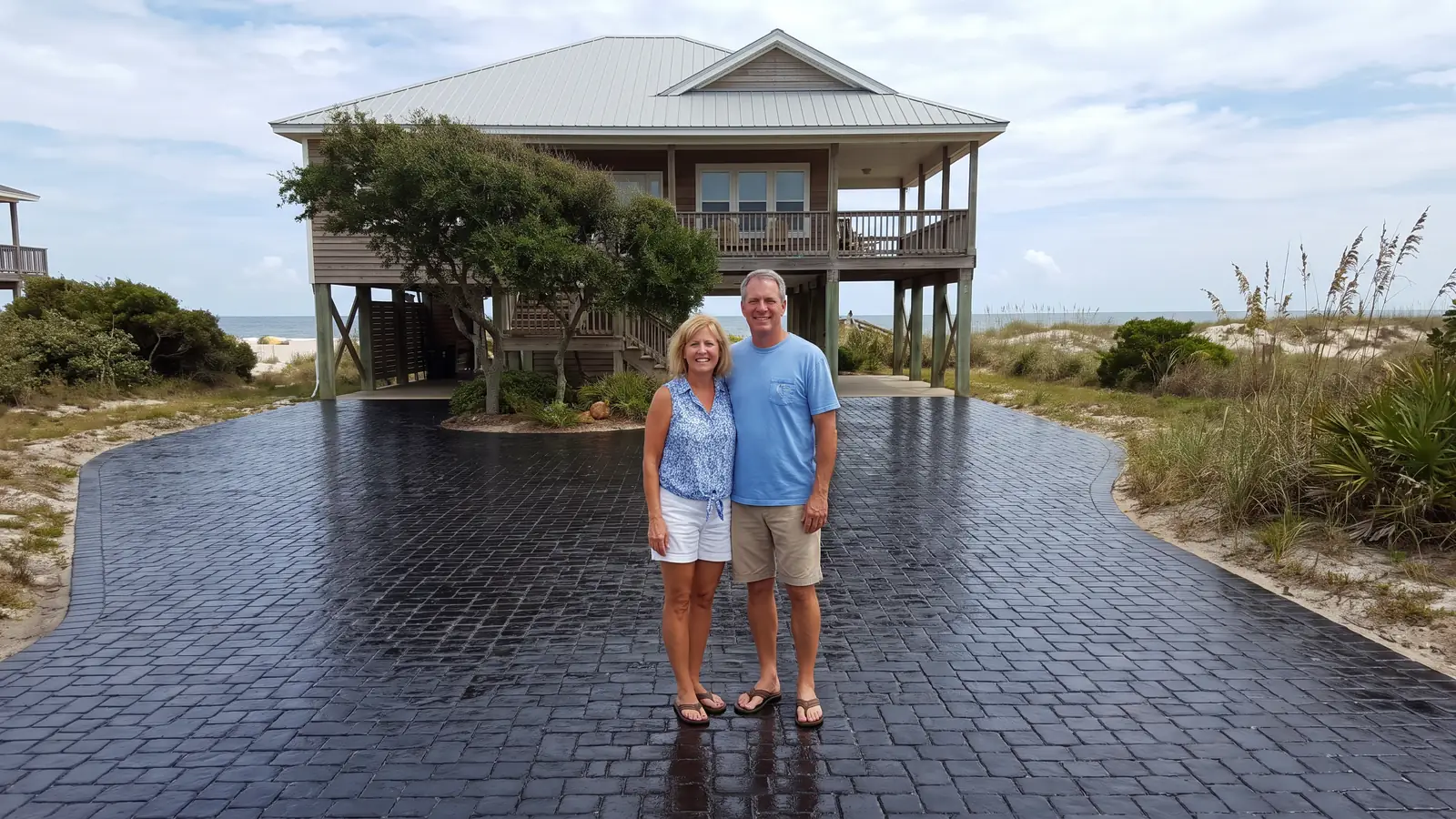
Paver sealing for Palencia homes
Paver Sealing in Palencia, FL
Palencia grew from 400 acres of oak forest, so shade is common; call (904) 468-6386 for a free sealing estimate.
- Brings out deeper paver color
- Fresh joint sand helps lock pavers in place
- Gives weeds less room to grow
- Makes the surface easier to keep clean
- Free estimate, no obligation
Request a Free Estimate
Free, no obligation.
Fast, careful paver sealing in Palencia
Paver sealing is available across Palencia, from the village streets near the clubhouse to the estate lots by the Tolomato River. A local contractor handles the wash, the joint sand and the sealer on drives, courtyards and pool decks, and the first estimate is free. Send a request through send in the short estimate form and a reply arrives within 1 business day, usually much sooner.
Maybe the long driveway has gone dull, with a dark film where the oak shade sits and a few weeds in the joints. A thorough wash, new joint sand and a fresh coat bring it back to one even color, and the sealer helps keep it that way through the next few summers. If you would like to talk first, call (904) 468-6386 and tell the contractor how large your paved areas are and what they are made of.
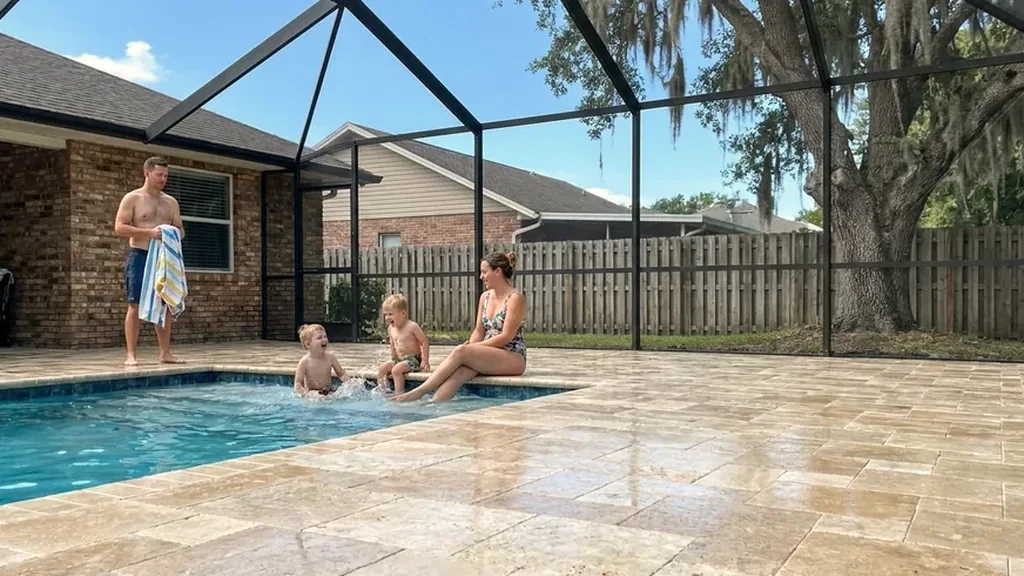
Why hire a local paver sealing contractor in Palencia?
Palencia homeowners tend to hire a local paver contractor because gates, oak shade and large paved areas all change how a job is planned. To hear how that works on your street, send in the short estimate form.
Every zone priced
The contractor measures the drive, courtyard, walks and pool deck separately, so the free estimate shows what each area costs.
Rates on record
Regional companies publish $1.75 to $3.25 per square foot for the wash, sand and sealer, which helps you judge large Palencia areas.
Gate-ready visits
Share the gate rules, guest list and quiet hours first, and the visit is planned around them.
A natural-look option
If your association is strict, a plain matte coat is the likelier choice to pass as routine upkeep.
Get Your Free Estimate in Palencia
Tell us about your pavers in Palencia.
Free, no obligation
What paver problems show up most in Palencia?
Damp air off the marsh and the river
Palencia sits on the Intracoastal Waterway beside the Tolomato River, which is lined with cordgrass marsh. Marsh air keeps surfaces damp long after the rain stops. Landscape Ontario's paver guidance says moss, lichens and algae should not grow on pavers unless the area is heavily shaded. Where the shade is heavy and the air is wet, green film builds up first on the sides of drives that never see sun. If you see slick spots near the garage or along a north wall, that is usually where to look first, and those spots get extra time at the wash stage. The Palencia Club course gets most of its irrigation from an 18-acre pond that catches stormwater runoff, which shows how much water moves through this community.
Leaf stain under the oaks
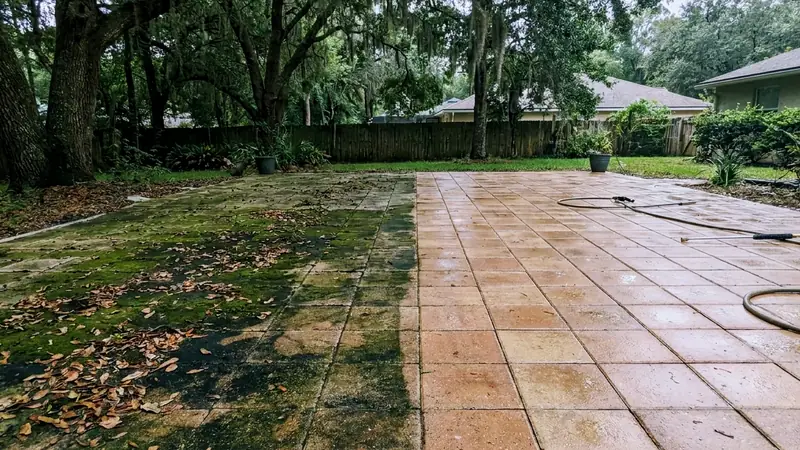
The land was 400 acres of oak forest when work began, and heavy oak canopies still cover parts of it. A county paver company points out that tree cover brings leaf tannins, mildew and irrigation spray to patios and walkways. Tannin leaves brown blotches that sealer would lock in, so the stains are washed out before any coat goes on, and old, set stains may lighten rather than disappear. Courtyards with a canopy overhead may need a closer look. Leaves that sit on wet pavers through a summer leave the darkest marks, and these can take more than one wash to lift. Costa del Sol has natural wooded buffers between the golf course and the homes, so shade reaches many back courtyards.
Paver areas that add up fast
The median Palencia home has about 3,559 square feet of living area, and Costa del Sol lots were planned 90 to 100 feet wide and 180 to 300 feet deep. Wide lots mean long drives, side courts, walkways and big pool decks, and each one is measured and priced as part of the same job. Larger areas dry unevenly, with shaded parts staying wet while open parts bake. A contractor plans the day around the slowest part to dry. In practice that can mean washing everything on day one and sealing the sunny parts first, with the shaded courtyard coated last. Walkways, steps and a pool deck can total more than the drive itself, so the full estimate often covers several zones.
Pool surrounds that stain and dry slowly
A local paver company says pool surrounds need a different drying and application plan, and that natural stone is not treated like concrete. Another says travertine is more porous than concrete pavers and needs different sealer chemistry. Stone near a screen enclosure can hold moisture, which means the contractor must be sure it is dry before sealing. Drying times for stone and pavers around a screen enclosure can run longer than for an open driveway, even after a sunny morning. Screened enclosures also hold humidity, which slows drying on the deck beneath them.
Rust marks and sprinkler arcs
University of Florida notes that most Florida well water is high in iron and can leave orange streaks where it is sprayed. A First Coast paver company says rust stains also come from metal furniture, garden tools and iron-rich hard water. Sealer would trap those marks, so a contractor looks for them during the first walk around and treats them before sealing. If you can point out where the sprinklers hit and where the patio furniture sits, the job goes faster and the stains are less likely to be missed. If a stain has a rust color and sits near a fixture or furniture leg, point it out at the estimate so it is treated first.
Is Palencia gated, and does that change how a paver visit works?
Yes, in the sense that Palencia is described as a golf community with gated entrances, so a contractor needs to know how to get in. Tell the contractor the gate rules when you send in the short estimate form, including guest lists and hours. Palencia has about 1,813 homes on the county roll, with a median year built of 2015, so most pavers here are younger than the ones in older St. Augustine streets.
Palencia Village holds the clubhouse, a swim and fitness center and a tennis center. Costa del Sol was the final neighborhood, with wooded buffers between the golf course and the homes. The Reserve II offers wooded sites over the golf, and North River III was planned with oak canopies and marsh views. Call (904) 468-6386 and say which part of Palencia you live in.
Next door, Palencia North is an 875-acre community with 652 residential lots and over a mile of frontage on the Tolomato River. Florida law lets a homeowners association review changes only as far as its declaration or published guidelines say. A Southside paver page notes that a natural-look sealer may count as routine upkeep, while high gloss is more likely to need approval. Check your guidelines, then send in the short estimate form.
What does paver sealing cost in Palencia?
Published rates in the region run from $1.75 to $3.25 per square foot to clean, sand and seal. With Palencia's long drives and big decks, the total depends mostly on square footage, not the rate. Failed sealer that must be stripped and stone that needs special products add to the cost. To see a line by line number, send in the short estimate form.
Reseal timing also affects what you spend over the years. Companies commonly quote two to five years between coats, and one Jacksonville company puts full-sun driveways at about 18 to 24 months and shaded walkways at about 24 to 36 months. Oak shade can stretch the gap, though it brings leaf stains that need washing before each new coat. Call (904) 468-6386 to ask which of your areas should go first.
| Paved area | Typical example | Clean, sand and seal |
|---|---|---|
| 300 sq ft | Small patio or walkway | $525 to $975 |
| 600 sq ft | Two car driveway | $1,050 to $1,950 |
| 1,000 sq ft | Large driveway or pool deck | $1,750 to $3,250 |
| 1,500 sq ft | Driveway plus pool deck | $2,625 to $4,875 |
Math based on the $1.75 to $3.25 per square foot that Northeast Florida paver companies publish. Your contractor sets the actual price after seeing the surface. Repairs, leveling and stripping failed sealer are usually extra.
How does a paver sealing job work in Palencia?
Zone one: the long drive
The contractor walks the drive first, measuring it and noting stains, rust, low spots and any old coat. A small test shows whether that coat is water-based or solvent-based. Gate, parking and water access are confirmed so the day runs smoothly. Pavers around pool equipment, gas lines and landscape lighting are noted so nothing is damaged. A sketch of each zone with its size goes in the written estimate, so you can compare the zones against the price.
Zone two: oak stains
Dirt, algae and leaf tannin are washed off with controlled pressure. Rust and oil spots are treated on their own so sealer does not lock them in. Pressure stays moderate to protect the surface and the joint sand around pool equipment and landscape edges. The contractor tells you if a mark looks permanent. Oak pollen, pine straw and leaf litter are cleared from joints and edges, so debris does not get sealed in.
Zone three: the slow dryers
Shaded courtyards under oaks take longer to dry than sunny drives, so each section is left until it is ready. The contractor picks a day without storms in the forecast. If a late afternoon shower threatens, the work stops and finishes the next day rather than risk a hazy coat. Timing between sections is planned so the front entry stays usable for guests and deliveries.
Sand the joints
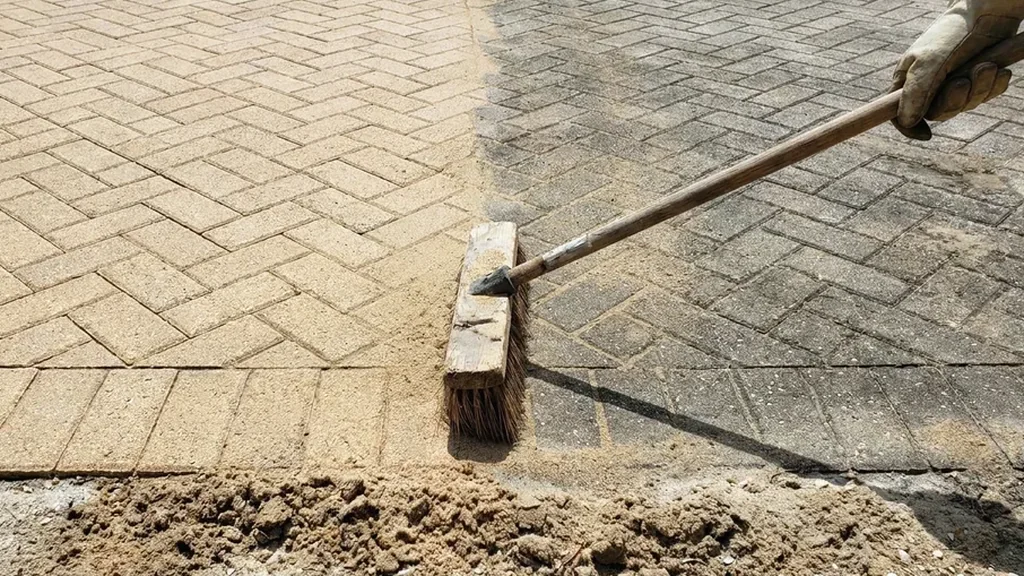
Joint sand leaves with the wash, so the contractor brushes in new sand and compacts it until the joints are tight. This is also the point where loose or sunken pavers are flagged for an installer. Sealing over a lifted spot only preserves the problem, so those areas are reset first. The grade of sand matters on a wide drive, because loose sand drifts along the slope when it rains.
Coat and cure
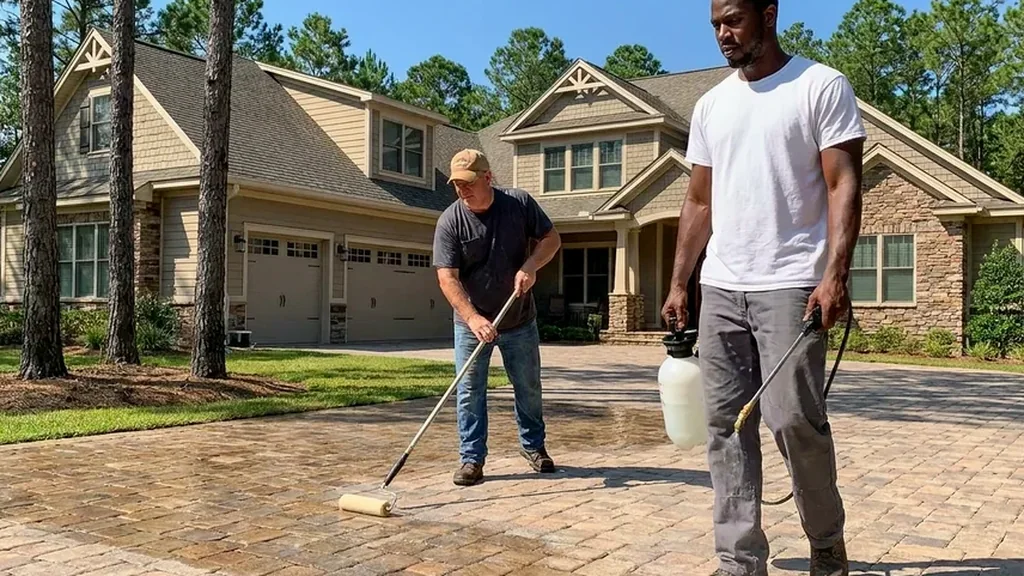
Sealer is sprayed, then rolled to an even coat. You can usually walk on the coat within hours, but cars should stay off for about a day. Turn sprinklers away from the pavers until the coat has cured fully, and expect a richer, more even color. Cars wait a full day, so plan to park on the street or in the garage when the work is done.
Complete paver services in Palencia
A Palencia job is staged by zone. The long drive is washed and sealed in sections, the courtyard follows, and the pool deck gets its own product. That lets each area dry and cure on its own clock. To see how yours would be split, send in the short estimate form.
Sealer goes on in two passes, spray and then roll. A low pressure sprayer sets the amount, and a slit foam roller smooths it, as one sealer maker's bulletin explains. This avoids puddles of sealer that dry cloudy. Call (904) 468-6386 to ask how your contractor handles it.
Matte, satin and wet look each suit a different spot. Matte keeps the natural look and suits stone by the pool, while wet look deepens color on a drive. Water-based sealer will not go over solvent-based sealer, so an old coat is tested first. To look at samples, send in the short estimate form.
Palencia's wet season runs May through October with daily thundershowers, and the dry months run November through April. One sealer company wants 2 to 4 hours before foot traffic and 24 before cars. Big areas may take two days. Call (904) 468-6386 to pick a week.
Questions to ask before you hire
- If wind or afternoon showers come up on the day, what happens to the job?
- How do you decide between a natural look and a wet look finish?
- Is the joint sand you sweep in the kind that hardens, and how long must it stay dry?
- If a patch peels or turns cloudy later, who do I call, and what happens next?
- Do you rinse the salt off before the sealer goes on, or only wash the surface?
- Will you point out any pavers that have sunk or shifted before you start?
- Can I see a written estimate with the sealer product and the number of coats on it?
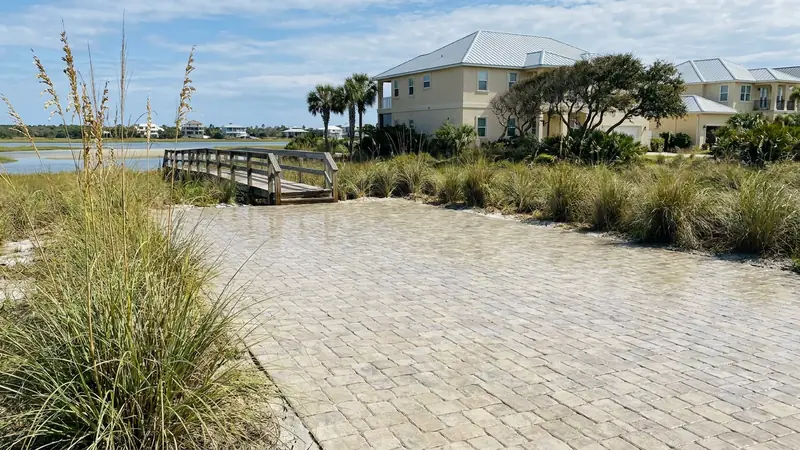
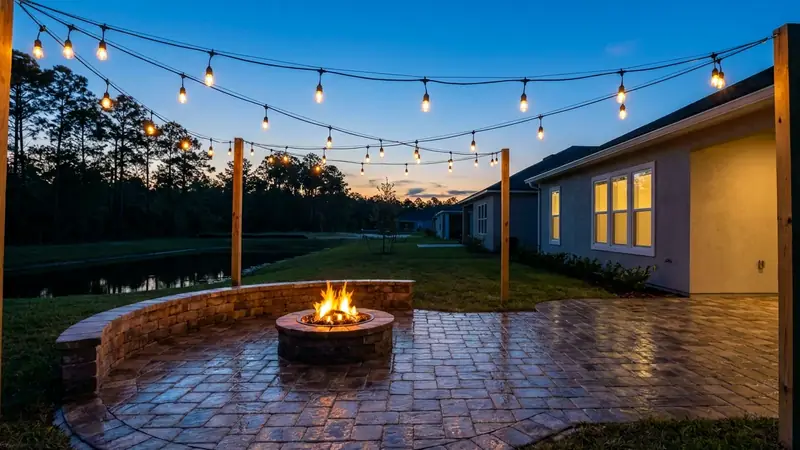
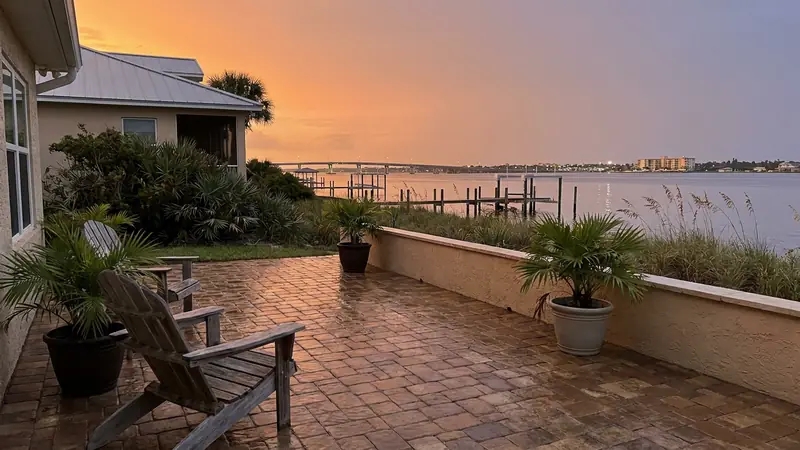
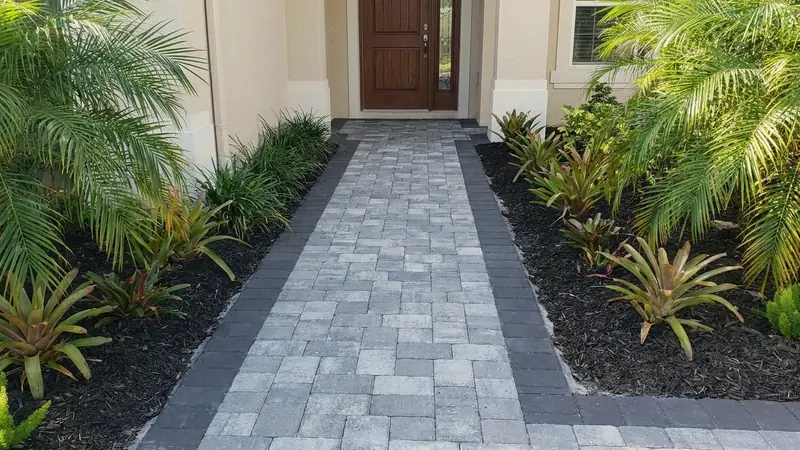
What do sealed pavers look like around Palencia?
Why local matters in Palencia
A contractor who works in St. Johns County knows how oak shade, marsh air and summer storms change drying time. That means better calls on when to seal each section, and on which section to leave for last. To plan around your shade and your gate, send in the short estimate form. Palencia is a golf community with gated entrances, so access has to be settled before the first visit.
Local knowledge also helps with association rules. Palencia is a planned golf community, and your guidelines may say what finishes and colors are allowed. Call (904) 468-6386 and mention if you have checked your guidelines, so the contractor can suggest a natural-look option if needed. The community lies in St. Johns County, about 20 miles from historic downtown St. Augustine.
Experience with large homes helps too. A contractor who handles big paver areas can stage the work across days and keep the entry usable, so cars and guests still reach the garage. When you want a plan that fits your schedule, send in the short estimate form. Many Palencia homes have a median living area of about 3,559 square feet, so the paved areas around them are often large.
What stands out about Palencia's setting on the Tolomato River?
Palencia was first called Marshall Creek, and full-force work began in May 1997 on land with two miles of Intracoastal frontage. The Tolomato River was known as the North River during the British period, and many locals still call it that. Stokes Landing Conservation Area nearby has an observation platform over the marsh. Call (904) 468-6386 and name your street so the contractor can find you.
The Palencia Club course, a par-72 layout of 7,017 yards, weaves through live oaks, open marsh and scrub oaks. The community has a 30-acre park system with boardwalks, a fishing pier and a boardwalk to the Tolomato River. It lies about 20 miles from historic downtown St. Augustine. Wherever you live in Palencia, you can send in the short estimate form and a contractor will confirm your area is covered.
Frequently Asked Questions
How much is paver sealing per square foot in Palencia?
Regional rates run $1.75 to $3.25 per square foot for the wash, sand and sealer. Large Palencia driveways and pool decks add up, so the total depends on square footage and on how many separate areas there are. Stripping an old coat, treating rust or sealing stone can raise the price. A free estimate gives you the exact number. Ask for the zones to be listed one by one so you can see where the money goes.
Is it good to seal pavers in Palencia?
Yes, because sealing helps keep joint sand in place and slows fading, stains and mildew. Shade and humidity near the marsh make green film more likely, and sealed pavers clean up more easily because dirt and algae grip a sealed surface less. It is not required, but it makes upkeep simpler.
Is it better to spray or roll paver sealer in Palencia?
Contractors usually do both. A Trident Protects bulletin says spray and back roll is the recommended method for most sealers. Spraying sets the amount, and rolling evens it out and prevents puddles that can leave cloudy spots. Excess sealer left to dry can mottle the surface, so the roller matters as much as the sprayer.
Is there a paver sealing business that serves Palencia?
Yes, local contractors serve Palencia and the nearby Tolomato River area. You can ask for a free estimate and hear back within 1 business day, usually much sooner. Tell the contractor about gates and parking when you call. A few details about the size of your drive and the pool deck help the estimate come back faster. Tell the contractor if you want the work done in sections, which can suit a large property.
How often should Palencia pavers be resealed?
Quotes in the region commonly assume two to five years between coats. One Jacksonville company says full-sun driveways may need a coat about every 18 to 24 months and shaded walkways about every 24 to 36 months. A surface that no longer beads water is due. Walk the drive after a rain and look for dull, thirsty patches. Shaded areas may dry slowly, so check them first after a rainy week.
Can oak leaf stains be removed before sealing in Palencia?
Usually yes. Tannin stains are washed and treated before sealing, because sealer would lock them in. Stains that have set for years may lighten but not vanish. Ask the contractor to show you a test spot first. That way you can see what the wash will and will not lift before you commit to the job.
Does my Palencia HOA need to approve a paver sealer?
Possibly. Florida law lets an association review the look of improvements only as far as its declaration or published guidelines say. A natural-look sealer may be treated as upkeep, and a high-gloss finish is more likely to need a sign-off. Check your guidelines and ask the association. A short written reply from the architectural committee avoids surprises later.
How long do new Palencia pavers need to wait before sealing?
One St. Augustine company advises 60 to 90 days between installation and the first coat. Efflorescence, a white haze, can surface during that time and should be cleared before sealing. Many Palencia homes are about a decade old, so most pavers are past this stage. If your home is brand new, wait for the full period and then book the first coat.
Ready for a Free Estimate in Palencia?
Call (904) 468-6386 and tell us about your pavers.
Free, no obligation